
Condition & Weight Gain
We know good nutrition starts with a healthy gut. Understanding how your horse digests feed can help you make better choices for their health, behaviour, and performance. Here’s a breakdown of how the horse’s digestive system works and how the right feeding approach can make a real difference.
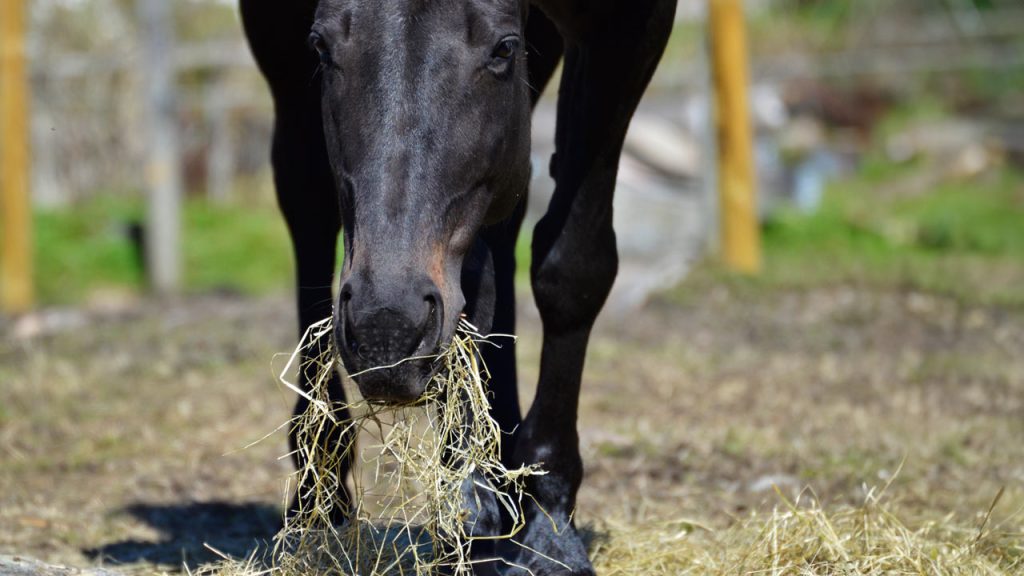
The Foregut – Starting Digestion the Right Way
The foregut is made up of the stomach and small intestine and is where digestion begins. The stomach produces acid and digestive enzymes to help break down food before it moves into the small intestine, which is divided into the duodenum, jejunum, and ileum. Here, proteins, fats, and some carbohydrates are digested and absorbed.
The challenge? The horse’s stomach is relatively small and continuously produces acid. Large meals or high-starch feeds can cause digestive imbalances, potentially leading to digestive upset or even gastric ulcers.
How British Horse Feeds Can Help:
Feeds such as Speedi-Beet, Fibre-Beet, and Cooked Linseed can support digestive health. They are low in starch and sugar, easy to digest, and gentle on the stomach, helping provide a steady release of energy.
The Hindgut – Powering the Horse Through Fibre
Once feed reaches the hindgut, digestion shifts from enzymes to microbes. The large and small colons house trillions of beneficial microbes, collectively known as the microbiota. These microbes ferment fibre, producing valuable energy in the form of volatile fatty acids (VFAs), also known as short-chain fatty acids (SCFAs).
A balanced hindgut microbiome is essential for fibre digestion, energy production, and overall health. Disruptions caused by stress, abrupt feed changes, or low-fibre diets can lead to digestive problems such as colic and poor performance.
How British Horse Feeds Can Help:
Products such as Fibre-Beet and Speedi-Beet provide highly digestible fibre in a soaked mash, helping promote a healthy hindgut environment. These feeds help nourish beneficial bacteria and support stable energy levels without adding excessive starch, helping maintain a healthy hindgut.
Feeding your horse a prebiotic can also support fibre digestibility and hindgut health. Speedi-Beet contains a natural prebiotic and is 25% more digestible than other fibres, such as hay and lucerne. Beet pulp is rich in pectin, a soluble fibre, and the micronisation process used to produce Speedi-Beet helps increase fermentation in the hindgut.
The Gut-Brain Connection – A Calmer, Happier Horse
Did you know the gut can influence your horse’s behaviour? Stress and poor gut health can alter the balance of microbes, reducing beneficial bacteria and potentially increasing harmful strains. These changes may contribute to anxiety, heightened flight responses, and reduced focus on the rider or handler.
How British Horse Feeds Can Help:
Feeding a fibre-first diet with products such as Fibre-Beet and Speedi-Beet helps support a healthier, more balanced microbiome. This can contribute to overall well-being and help support digestive health during exercise, competition, or travel.
Feeding for Performance, Recovery, and Wellbeing
Whether your horse is in hard work, recovering from illness, or a happy hacker, digestive health is the foundation of overall well-being. Choosing feeds that are gentle on the stomach and support hindgut health can help promote performance and digestive comfort.
We recommend feeding a vitamin and mineral supplement or a quality balancer alongside Speedi-Beet or Fibre-Beet to ensure your horse’s diet is nutritionally balanced.
British Horse Feeds offers options suitable for horses at varying levels of work, from high-performance athletes to leisure companions. Our focus on fibre helps support digestive health, maintain consistent energy levels, and promote overall well-being.
Recommended products
-
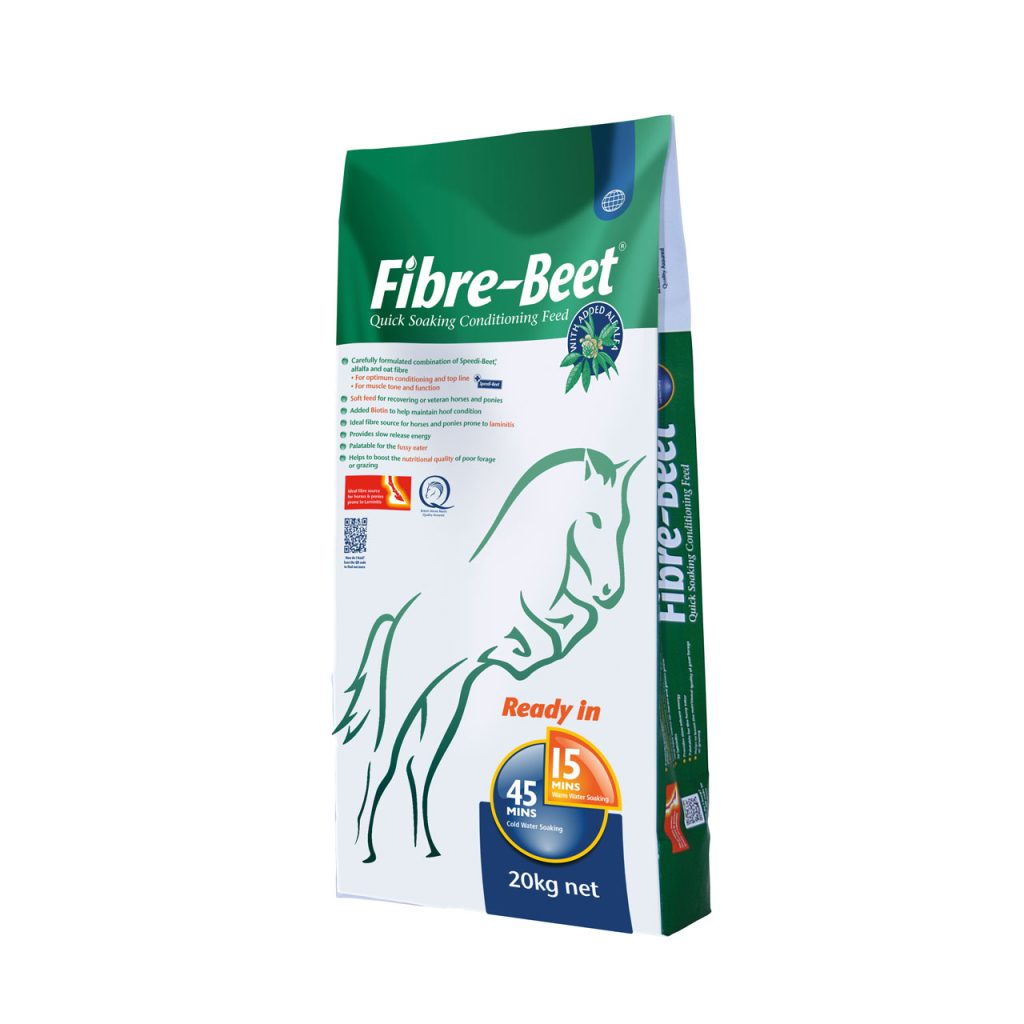
Fibre-Beet®
Price range: $23.75 through $61.95 -
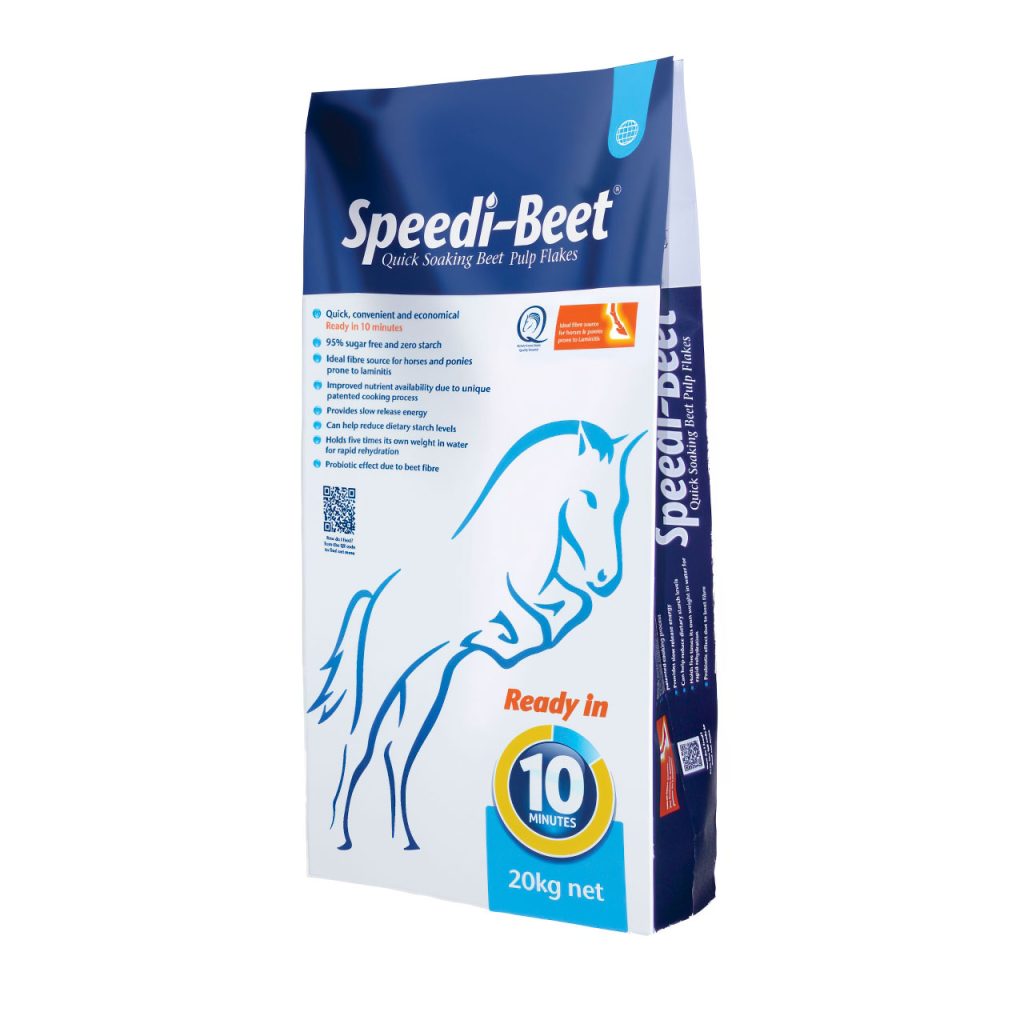
Speedi-Beet®
Price range: $21.50 through $59.95 -
Cooked Linseed
Price range: $23.95 through $66.00